One important kind of planning is contingency planning, or planning for the unexpected, but even the best and most thorough public relations professionals can’t predict all of the situations in which a contingency plan may be necessary.
For instance, in class this week we discussed how airlines have a multitude of contingency plans. They plan for the loss of an aircraft, strikes, weather-related groundings and a number of other situations, but not one airline could have had a plan for 9/11 and the four days of grounded flights that followed.
Unthinkable events, like those of 9/11, truly test the abilities of public relations professionals. How well do you know your company or organization? How flexible are you? How quickly can you develop a plan of action?
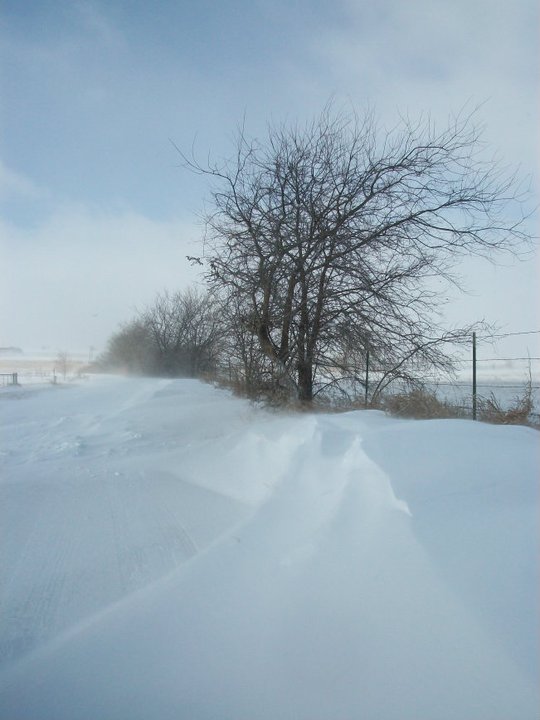
The Snowpocaplyse this past February is an example of a local disaster that affected many of us. Closing the university for nearly a week was an extraordinary step that was necessary to ensure the safety of the UNT community and a step that required a lot of coordination across campus.
In the case of Snowpocalypse the university was able to implement some of its existing contingency plans, but new issues that had never been considered also arose and had to be handled on the fly. For instance, in previous years we had not had such develop social media channels, and therefore we hadn’t announced weather closures through those channels. But this year our growing social networks were clamoring for information, so we had to develop a procedure to get the work out quickly.
Most organizations plan crisis drills to help prepare their team for real disasters. This past spring my supervisors conducted a table-top drill with me and my colleagues, where we walked through the university’s response to a tornado hitting campus. The university also has done large-scale drills to model other potential crisis situations.
Of course, as Ms. Bufkins said on Wednesday, when a disaster actually happens all of the planning goes out the window and you have to be able to think on your feet.
It is unlikely that we would respond to a tornado exactly the way that we discussed in our drill, but the drill acquainted my office with the structure of a response effort and equipped us with the basic knowledge that we would need in an emergency situation.
These exercises provide opportunities for the communications staff to meet members of their organization’s operations staff that they might not otherwise meet until a disaster occurred. Building relationships with key team members prior to a disaster will make the entire team more efficient with the real deal happens.
Completing drills also challenges communications professionals to develop solutions to problems in high-pressure situations, building confidence the real world.
You can’t plan for everything, but you can be prepared.
 Alyssa Yancey